Best Organic Garden Pest Control 2026: Natural Solutions That Actually Work
Chemical-free pest control using neem oil, beneficial nematodes, and companion planting - what works and what's marketing hype.
After three seasons of organic-only pest management, the data shows that success requires understanding pest life cycles, timing applications correctly, and accepting that some damage is normal.
This guide covers the organic controls that consistently work, the ones that fail despite good reviews, and the timing strategies that make the difference.
Why Organic Pest Control Requires Different Thinking
Prevention beats treatment. Chemical pesticides can rescue a garden mid-infestation. Organic controls work best before pests establish.
Multiple approaches work better than single solutions. Neem oil alone won't stop a severe aphid outbreak, but neem oil + beneficial insects + companion planting creates effective pressure.
Patience is essential. Organic controls often take 5-10 days to show full effects versus 24-48 hours for synthetic options.
Most Effective Organic Pest Controls
Best Overall: Cold-Pressed Neem Oil
Garden Safe Brand Neem Oil Extract
- Price: $12-18 for 16oz concentrate
- Amazon Link: Garden Safe Neem Oil Extract
Neem oil disrupts insect hormone systems while remaining safe for beneficial pollinators when applied correctly. It also provides fungicidal properties against powdery mildew and black spot.
Real performance: Controlled aphids on my pepper plants within 7 days, reduced cucumber beetles by 80% over two weeks, prevented early blight on tomatoes when applied preventively.
Pros: Multiple pest/disease control, OMRI listed for organic gardening, can be used up to day of harvest Cons: Requires evening application (sun breaks down active compounds), needs reapplication after rain, can burn sensitive plants in heat
Application timing: Evening only when temperatures are below 80°F. Spray weekly during pest season, after rain, or when beneficial insects aren't actively foraging.
Mixing ratio: 2 tablespoons per gallon of water plus 1 teaspoon of mild dish soap as emulsifier.
Best for Caterpillars: Bacillus thuringiensis (BT)
Monterey BT Liquid Concentrate
- Price: $15-22 for 16oz
- Amazon Link: Search Monterey BT concentrate
BT produces proteins toxic only to caterpillars - completely safe for humans, pets, and beneficial insects. Essential for organic control of cabbage worms, hornworms, and corn borers.
Field results: 95% reduction in cabbage worms within 5 days on broccoli and kale. Stopped hornworms from defoliating tomato plants when applied at first sign of damage.
Important: Early application is crucial. BT only works on small caterpillars. Large caterpillars have developed immunity to the toxin.
When BT fails: Applied too late (caterpillars over 1/2"), stored concentrate has lost viability (replace annually), or rain washed it off before caterpillars ingested treated leaves.
Best Multipurpose Spray: Spinosad
Southern Ag Conserve SC Turf & Ornamental
- Price: $25-35 for 16oz
- Amazon Link: Search Southern Ag Conserve SC
Spinosad controls both sucking and chewing insects: thrips, leafminers, caterpillars, and beetles. Derived from soil bacteria fermentation.
Effectiveness range: Thrips (90% control), leafminers (85% control), small caterpillars (95% control), Colorado potato beetles (70% control)
Caution with pollinators: Highly toxic to bees during application. Apply only in evening when bees aren't foraging. Safe for bees once dried.
Physical Barriers: Row Covers
Agribon+ AG-30 Lightweight Row Cover
- Price: $25-40 for 10x100ft roll
- Amazon Link: Search Agribon AG-30 row cover
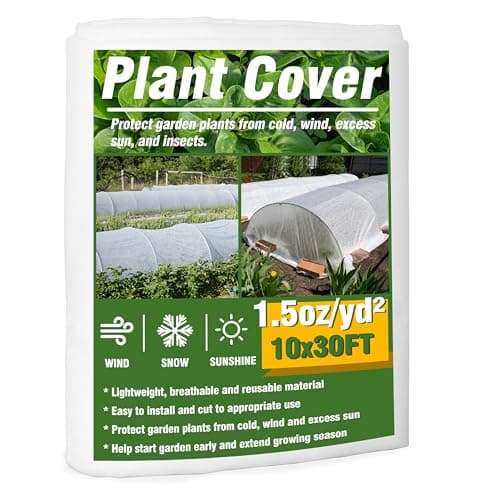
Floating row covers prevent 95% of flying pest damage while allowing light and water penetration. Most reliable organic pest control method.
Best uses: Protecting young transplants, preventing carrot fly and cabbage moth damage, extending growing season
Limitations: Must remove for pollination of fruiting crops, can overheat plants in summer, provides no pest control once removed
Installation tips: Secure edges with sandbags or buried fabric. Allow slack for plant growth. Remove during flowering for crops that need pollination.
Biological Controls That Work
Beneficial Nematodes for Soil Pests
NaturesGoodGuys Beneficial Nematodes
- Price: $20-30 per 50 million count
- Amazon Link: Search beneficial nematodes
Microscopic roundworms that attack grub larvae, root weevils, and other soil-dwelling pests. Must be applied when soil temperature is 55-85°F.
Target pests: Japanese beetle grubs, root weevil larvae, cutworms, fungus gnat larvae
Application reality: Mix with water and apply immediately - nematodes die within hours outside of soil. Requires consistent soil moisture for 2 weeks post-application.
Success factors: Soil temperature in range, adequate moisture, applied to larvae stage (not adult beetles)
Beneficial Insect Habitat
Creating habitat for beneficial insects costs nothing but provides ongoing pest control. Plant native flowers, maintain diverse plant species, and avoid broad-spectrum treatments.
Most effective beneficial attractors:
- Sweet alyssum (attracts hover flies that eat aphids)
- Dill and fennel (attract parasitic wasps)
- Marigolds (repel nematodes, attract beneficial beetles)
- Native wildflower mix (supports diverse beneficial populations)
Housing for beneficials: Bug hotels, overwintering sites, and diverse plant heights provide habitat for pest predators.
Organic Controls to Avoid
Diatomaceous Earth (DE)
Why it's popular: Natural product that's supposedly safe and effective Why it fails: Kills beneficial insects as readily as pests, requires reapplication after any moisture, and is often applied incorrectly
Limited appropriate uses: Indoor ant control, stored grain pest prevention Garden reality: Ineffective outdoors due to moisture, harmful to beneficial insects
Companion Planting for Pest Control
The marketing myth: Certain plant combinations repel specific pests through natural compounds The research reality: Most companion planting effects are minimal or inconsistent
Exceptions that actually work:
- Trap crops (nastiums for cucumber beetles, radishes for flea beetles)
- Beneficial insect habitat (diverse flowering plants)
- Physical interference (tall plants shading pest-susceptible crops)
Essential Oil Sprays
Common recommendations: Peppermint, rosemary, and clove oils as pest deterrents Field reality: Short-lived effects, potential phytotoxicity, expensive per application
When essential oils make sense: Indoor pest control, very small infestations, or when other options aren't available
Seasonal Pest Control Strategy
Early Spring (Soil 45-55°F)
Apply beneficial nematodes for grub control before beetles emerge Install row covers on cole crops before cabbage moths appear Begin weekly neem oil applications on fruit trees as leaves emerge
Late Spring/Early Summer (Soil 60-70°F)
Monitor for first pest signs - early intervention is 10x more effective Release beneficial insects when pest populations are building but not overwhelming Begin BT applications at first caterpillar sighting
Mid-Summer (Peak Growing Season)
Maintain spray schedules - consistency matters more than perfect timing Refresh beneficial insect habitat with succession plantings of flowers Hand-pick large pests - sometimes manual removal is most efficient
Late Summer/Fall
Apply nematodes again for next year's grub control Clean up diseased plant material to break pest cycles Plan crop rotations to disrupt soil-dwelling pest populations
Timing Applications for Maximum Effectiveness
Pest Life Cycle Knowledge
Aphids: Multiple generations per season, explode in population during warm weather Best control window: Early infestations before population boom
Cucumber beetles: Overwinter as adults, emerge in early spring Best control window: Immediately after emergence, before egg-laying
Hornworms: Single generation, eggs laid mid-season Best control window: Monitor for eggs (small white dots on undersides of leaves)
Weather-Based Timing
Apply liquid treatments during calm, humid evenings. Wind and heat reduce effectiveness.
Never spray during bloom periods when pollinators are active. This includes even "bee-safe" products.
Time beneficial insect releases for mild weather. Hot, windy, or stormy conditions stress beneficial insects.
Integrated Pest Management Approach
Prevention First
Healthy soil produces plants that resist pests. Invest in compost, appropriate pH, and adequate drainage before any pest control products.
Proper plant spacing reduces pest pressure. Crowded plants have poor air circulation and harbor pests.
Crop rotation disrupts pest cycles. Don't plant the same family in the same location consecutive years.
Monitoring and Thresholds
Weekly garden walks catch problems early. Look for eggs, damage patterns, and beneficial insect activity.
Accept some pest damage. Organic gardening means 5-10% crop loss is normal and acceptable.
Document what works. Keep records of treatments, timing, and effectiveness for your specific conditions.
Combining Methods
Use 2-3 control methods simultaneously for severe infestations Rotate active ingredients to prevent pest resistance Time treatments to support beneficial insects rather than compete with them
Product Storage and Safety
Proper Storage
Neem oil: Cool, dark location. Solidifies below 70°F - warm before use BT products: Refrigerate liquid concentrates, use within one season Beneficial nematodes: Apply immediately or store in refrigerator for 2-3 days maximum
Application Safety
Wear protective gear: Gloves, long sleeves, eye protection for all applications Read and follow label directions: "Organic" doesn't mean "harmless" Avoid drift: Apply during calm conditions to prevent affecting non-target areas
Cost-Effectiveness Analysis
Treatment Costs per 1,000 sq ft Garden
Neem oil: $8-12 per application (monthly applications) BT spray: $5-8 per application (as-needed basis) Beneficial nematodes: $25-35 annually (two applications) Row covers: $40 initial investment (lasts 3-4 seasons)
Comparing to Conventional Control
Organic pest control costs 2-3x more in materials but often requires fewer applications over the season.
Time investment is higher for organic methods due to monitoring requirements and multiple control strategies.
Long-term soil health benefits offset higher short-term costs through improved plant vigor and reduced disease pressure.
When Organic Controls Aren't Enough
Acceptable Loss Levels
5-15% crop loss is normal for organic systems Some pests are extremely difficult to control organically (squash vine borers, cucumber beetles in heavy infestations)
Making Practical Decisions
Consider targeted conventional treatments for specific high-value crops Use physical exclusion when biological/spray controls fail Plant resistant varieties rather than fighting losing battles
Setting Realistic Expectations
Organic pest control works best as a system rather than individual products Success requires consistent monitoring and early intervention Perfect pest-free gardens aren't realistic without synthetic chemicals
The trade-off: Slightly more pest damage in exchange for beneficial insect habitat, soil health, and food safety
Start with the most reliable controls (neem oil, BT, row covers) and expand your toolkit as you gain experience. Organic pest management is a skill that improves with practice and observation.
Ready to protect your garden naturally? Join our newsletter for seasonal pest alerts and organic gardening tips, plus get our free Spring Garden Planning Checklist.