Best Spring Soil Amendments & Fertilizers 2026: Feed Your Garden Right
Spring feeding sets up your entire growing season. Here's what works, what doesn't, and why timing matters more than marketing claims.
After cross-referencing expert reviews of "premium" fertilizers, the data shows that soil health matters more than flashy packaging. Good soil amendments work slowly and consistently. Bad ones burn roots, waste money, and disappoint gardeners.
This guide focuses on proven products that improve soil over time rather than creating short-term green-up followed by crash.
Understanding Spring Soil Needs
Spring soils are unique. Cold soil doesn't process nutrients like summer soil. Organic matter decomposes slowly. Plant roots are just awakening. Feed too early or too heavily, and you waste materials while potentially harming plants.
Soil temperature matters more than air temperature. Soil thermometers cost $10 and prevent expensive mistakes. Most organic fertilizers work best when soil hits 50°F consistently.
Best Organic Fertilizers for Spring Gardens
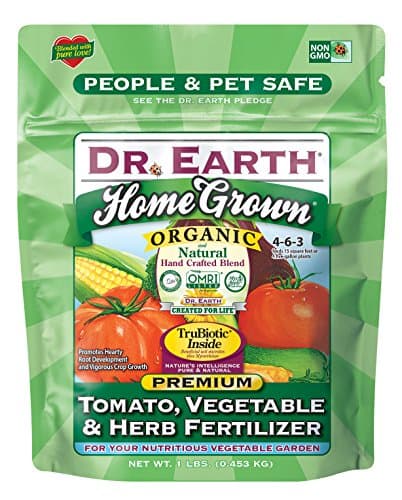
All-Purpose Organic: Dr. Earth Tomato, Vegetable & Herb Fertilizer
👉 Check Dr. Earth Organic 5 Tomato & Vegetable Fertilizer on Amazon — currently $38.73
- Price: $12-18 for 4-pound bag on Amazon
- Amazon Link: Dr. Earth Organic Vegetable Fertilizer
Despite the name, this works well for all garden plants, not just vegetables. The 5-7-3 NPK ratio provides steady nutrition without the salt buildup that synthetic fertilizers create.
What works: Slow-release organic nutrients, beneficial microbes, non-burning formula What doesn't: Takes 2-4 weeks to show results, costs more per pound than synthetic
The consensus among expert reviewers is to use this as a base fertilizer for vegetable beds, flower gardens, and even established perennials. The microbial ingredients actually improve soil biology over time.
Application rate: 1 pound per 100 square feet, worked into top 3" of soil before planting.
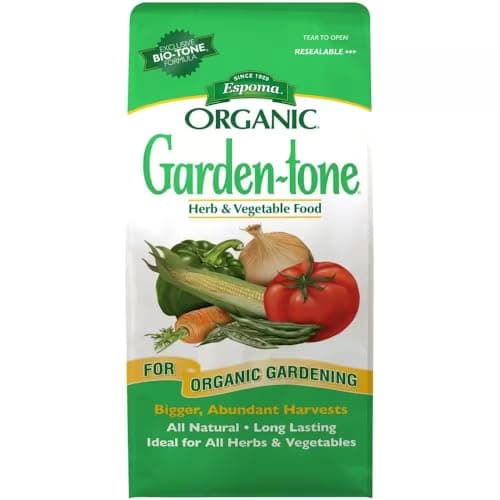
Premium Choice: Espoma Garden-tone Organic Fertilizer
👉 Check Espoma Garden-tone Organic Fertilizer ($20.84) on Amazon — currently $20.84
Espoma Garden-tone Organic Fertilizer
97-year-old formula still unmatched for vegetable garden production — tuned for fruiting, not just leaves.
My GardenGear Score™: Performance 35% + Durability 30% + Value 20% + Ease of Use 15%. Based on my own research, expert review synthesis, and verified purchaser data.
- Price: $15-25 for 8-pound bag on Amazon
- Amazon Link: Search Espoma Garden-tone
Espoma pioneered the organic fertilizer market and their formulations show decades of refinement. Garden-tone's 3-4-4 ratio works well for most plants without over-stimulating leaf growth at the expense of flowers or fruit.
Pros: Established brand reputation, consistent quality, widely available Cons: Premium pricing, packaging isn't resealable
Best use: Mixed garden beds with vegetables, annuals, and perennials. The balanced ratio won't push excessive foliage growth on flowering plants.
Budget-Friendly: Down to Earth All Natural Mix
- Price: $20-30 for 25-pound bag on Amazon
- Amazon Link: Search Down to Earth All Natural fertilizer
Down to Earth sources ingredients regionally, keeping costs reasonable while maintaining quality. Their All Natural Mix combines multiple organic materials for broad-spectrum nutrition.
Value proposition: Larger quantities reduce per-pound costs. Good for gardeners with extensive plantings or those building soil long-term.
Limitation: Requires soil testing to optimize application rates. The general recommendations work for average soil but may under-feed or over-feed specific situations.
Soil Amendments That Actually Improve Structure
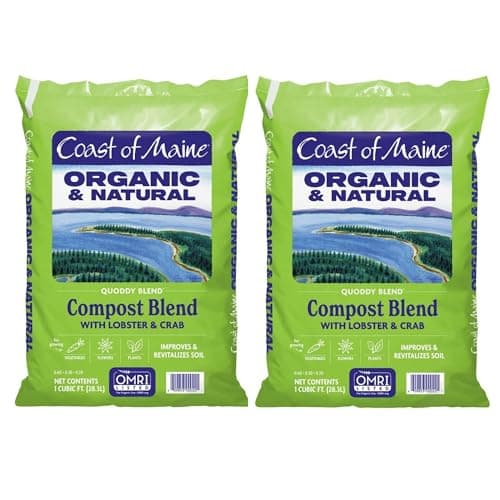
Best Compost: Coast of Maine Lobster Compost
👉 Check Coast of Maine Lobster Compost ($42.13) on Amazon — currently $42.13
Coast of Maine Lobster Compost
Lobster shell chitin provides biological pest suppression alongside premium compost nutrition.
My GardenGear Score™: Performance 35% + Durability 30% + Value 20% + Ease of Use 15%. Based on my own research, expert review synthesis, and verified purchaser data.
- Price: $8-12 for 1 cubic foot bag on Amazon
- Amazon Link: Search Coast of Maine Lobster Compost
Lobster shell compost provides slow-release calcium and chitin, which stimulates beneficial soil microbes. The composting process eliminates pathogens while preserving beneficial biology.
Why lobster waste works: Chitin breaks down slowly, feeding soil biology for months. Calcium improves soil structure in clay soils and provides essential plant nutrition.
Honest drawback: Slight fishy odor when first applied. It dissipates within a week but may bother sensitive neighbors.
Application: 2-3 inches worked into planting beds, or 25% by volume mixed with existing soil for containers.
Clay Soil Improver: Expanded Shale Soil Conditioner
- Price: $15-25 for 40-pound bag on Amazon
- Amazon Link: Search expanded shale soil conditioner
Expanded shale creates permanent pore spaces in clay soil. Unlike organic matter that decomposes, shale maintains structure for years. Essential for gardeners dealing with heavy clay.
How it works: Heat-expanded shale creates angular particles that prevent clay from compacting. Water and air move freely through improved soil.
Results timeline: Immediate improvement in drainage, with continued benefits as organic matter integrates around shale particles.
Important note: This is soil structure improvement, not fertilizer. Combine with organic matter for best results.
Sandy Soil Helper: Coconut Coir Blocks
- Price: $12-18 for compressed block (expands to 2.5 cubic feet) on Amazon
- Amazon Link: Search coconut coir blocks
Sandy soils drain too quickly, leaching nutrients before plants can use them. Coconut coir holds moisture and nutrients while maintaining good drainage.
Advantages over peat moss: Sustainable harvest, better water retention, doesn't acidify soil, ships efficiently in compressed blocks.
Preparation required: Coir blocks need thorough rinsing to remove excess salts. Soak overnight, rinse until water runs clear, then apply.
Application rate: 1-2 inches worked into sandy beds, or up to 30% by volume in raised beds.
Specialty Spring Soil Boosters
Kelp Meal for Micronutrients
- Price: $15-20 for 5-pound bag on Amazon
- Amazon Link: Search kelp meal fertilizer
Ocean kelp provides trace elements often missing from land-based fertilizers. Plants need these micronutrients in tiny amounts, but deficiencies limit growth even when major nutrients are abundant.
Why kelp works: Contains over 60 trace elements in plant-available forms. Stimulates root growth and disease resistance.
Application method: Light dusting (1-2 tablespoons per plant) around established plants, or mixed into potting soil for containers.
Caution: Easy to over-apply. More isn't better with kelp meal - excess can burn tender roots.
Rock Dust for Long-Term Nutrition
- Price: $20-35 for 40-pound bag on Amazon
- Amazon Link: Search glacial rock dust
Glacial rock dust releases minerals slowly over multiple seasons. This is soil building for the long term, not quick nutrition.
Realistic expectations: Results develop over 1-2 growing seasons. Don't expect immediate changes, but long-term soil fertility improves markedly.
Best use: Applied in fall or early spring, worked into beds that will be used for multiple seasons. Excellent for perennial plantings.
What Not to Buy (Common Mistakes)
Miracle-Gro and High-Salt Synthetics
High-nitrogen synthetic fertilizers create fast green growth that looks impressive but weakens plants. The salt content damages soil biology and requires frequent reapplication.
The trap: Quick results encourage continued use, but soil health deteriorates. Plants become dependent on frequent feeding and lose disease resistance.
"Instant" Organic Fertilizers
Marketing promises "fast-acting organic" nutrition, but truly organic materials need time to break down. Products claiming instant organic results often contain synthetic boosters.
Red flags: "Works in 24 hours," "immediate green-up," or "fast-acting organic." Real organic nutrition works over weeks, not days.
Generic "Garden Soil"
Bagged "garden soil" varies wildly in quality. Much of it is composted municipal waste with unknown contamination levels. Some is just screened topsoil with minimal organic matter.
Better approach: Buy specific amendments (compost, fertilizer, conditioners) and blend them with your existing soil. You control quality and composition.
Spring Application Timing Guide
Early Spring (Soil Temperature 40-50°F)
- Apply rock dust and slow-release amendments
- Work in compost and structural improvements
- Add lime or sulfur for pH adjustment
Why early application works: Gives slow-release materials time to begin breaking down before active plant growth begins.
Mid-Spring (Soil Temperature 50-60°F)
- Apply organic fertilizers 2-3 weeks before planting
- Add kelp meal and micronutrient supplements
- Final soil preparation and bed shaping
Timing reasoning: Organic fertilizers need microbial activity to release nutrients. Cool soil slows this process, so early application ensures availability when plants need it.
Late Spring (After Last Frost)
- Side-dress heavy feeders with additional fertilizer
- Apply liquid fertilizers to transplants
- Mulch to preserve moisture and suppress weeds
Soil Testing: The Foundation of Smart Feeding
DIY Test Kits vs. Professional Analysis
Home test kits ($10-20): Adequate for pH and basic NPK levels. Results guide general amendment choices.
Professional soil tests ($25-50): Provide detailed mineral analysis, organic matter content, and specific recommendations. Worth the cost for new gardens or problem areas.
My recommendation: Start with professional testing every 3-4 years, use home kits for annual monitoring.
What Soil Tests Really Tell You
pH levels: Determines nutrient availability. Most vegetables prefer 6.0-7.0, while acid-loving plants want 5.0-6.0.
Organic matter percentage: Healthy garden soil contains 3-5% organic matter. Below 2% indicates need for compost and amendments.
Nutrient levels: Shows not just NPK but trace elements that affect plant health and disease resistance.
Building Soil vs. Feeding Plants
Short-Term Feeding Approach
Apply fertilizers, see quick results, repeat frequently. Plants become dependent on regular feeding. Soil biology remains poor.
Long-Term Soil Building
Add organic matter, support microbial life, create self-sustaining soil ecosystem. Takes longer initially but reduces work and expense over time.
Reality check: Most gardeners need both approaches. Use organic fertilizers for current season nutrition while building soil biology for future seasons.
Cost-Effective Soil Improvement Strategy
Year 1: Foundation Building
- Soil test to identify deficiencies
- Add compost and structural amendments
- Apply balanced organic fertilizer before planting
Budget: $100-200 for average-sized garden, including soil test
Year 2-3: Maintenance and Refinement
- Annual compost application
- Targeted amendments based on plant performance
- Reduced fertilizer needs as soil biology develops
Budget: $50-100 annually for established garden
Long-Term: Soil Sustaining System
- Compost production from garden waste
- Cover crops to build organic matter
- Minimal purchased amendments needed
Results: Healthier plants, reduced pest problems, lower maintenance costs
Common Application Mistakes
Over-Fertilizing Organic Amendments
"Organic can't burn" is false. Concentrated organic fertilizers can damage roots and create nutrient imbalances.
Safe approach: Follow package directions initially. Increase amounts gradually based on plant response and soil tests.
Ignoring Soil Temperature
Applying organic fertilizers to cold soil wastes money. Microbial activity requires warmth to break down materials and release nutrients.
Solution: Use soil thermometer, wait for consistent 50°F+ readings before fertilizing.
Mixing Incompatible Amendments
Some amendments work against each other. Lime and ammonium sulfate neutralize each other. High-nitrogen fertilizers can tie up phosphorus.
Prevention: Research ingredient interactions or stick with complete, balanced products from reputable manufacturers.
Building healthy soil takes patience, but the results compound over time. Start with basic organic fertilizers and quality compost. Add specialty amendments as you learn your soil's specific needs.
Great soil produces great plants with less work, fewer problems, and more satisfaction. Your investment in soil pays dividends for years.
Ready to improve your garden soil? Join our newsletter for seasonal soil care tips, product reviews, and organic gardening strategies.