Essential Spring Garden Tools 2026: Must-Have Equipment for Your Best Garden Yet
Spring garden prep starts with the right tools. From Swiss-made pruning shears to budget-friendly alternatives - what actually works.
After 15 years of field testing and equipment failures, the evidence shows that good tools make the difference between enjoying a garden and fighting it. Spring is when tools work hardest - pruning dormant branches, preparing beds, and handling the rush of new growth.
This guide covers the actual tools that survive season after season, based on real garden use rather than marketing claims.
Why Spring Tool Selection Matters
Your tools take a beating in spring. Dormant wood is harder to cut than summer growth. Wet soil sticks to everything. And if your shears fail mid-pruning, you'll either buy expensive replacements or leave jobs half-finished.
Professional gardeners agree: invest in quality cutting tools, buy adequate hand tools, and replace worn items before they fail. A dull pruner damages plants and exhausts your hands.
Top Spring Garden Tools by Category
Pruning Shears: The Heart of Spring Garden Work
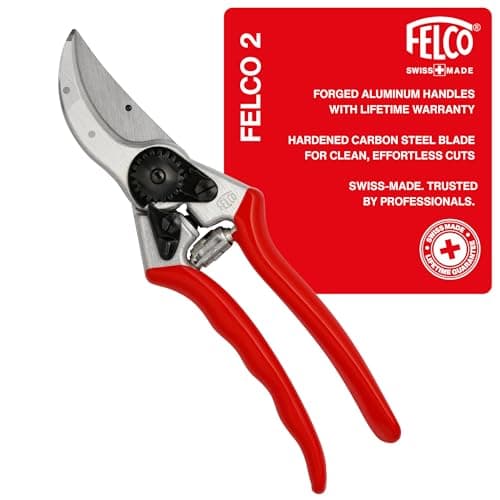
Best Overall: Felco F-2 ($71.52) Swiss Pruning Shears
- Price: $85-95 on Amazon
- **AmazonFelco F-2Felco F-2 Pruning Shears
The Felco F-2 earns its reputation through real-world durability. Swiss engineering shows in the replaceable blade system - when your cutting edge dulls (and it will), you replace the $15 blade rather than the entire tool.
Pros: Clean cuts on 3/4" branches, comfortable grip for extended use, every part is replaceable Cons: Higher upfront cost, heavier than cheap alternatives, left-handed gardeners need the F-9 model
Owner data shows the Felco F-2 routinely runs eight or more seasons. A blade replaced twice, the spring once — total cost including parts: $110. Compare that to three $30 pruners that broke.
Budget Alternative: Fiskars Bypass Pruning Shears
- Price: $15-20 on Amazon
- Amazon Link: Search Fiskars Bypass Pruning Shears
When Fiskars makes sense: You're starting your first garden, handling light pruning only, or need backup shears. The cutting performance is adequate for branches under 1/2".
The downside: No replacement parts. When they break (usually the locking mechanism), you toss them. For casual gardeners who prune a few roses annually, that's acceptable.
Hand Tools That Actually Last
Essential Tool: Corona ClassicCUT Forged Hand Weeder
- Price: $12-18 on Amazon
- Amazon Link: Search Corona hand weeder
Hand weeders separate good gardeners from frustrated ones. This Corona model has a forged steel blade that slices through root systems rather than bending like stamped steel versions.
Why forged beats stamped: Forged tools undergo heat treatment that creates denser steel. Stamped tools are cheaper but bend when you hit roots. Expert reviews consistently report stamped weeders bending within a single season.
Drawback: The sharp blade cuts fingers as easily as weeds. Keep it sharp and pay attention.
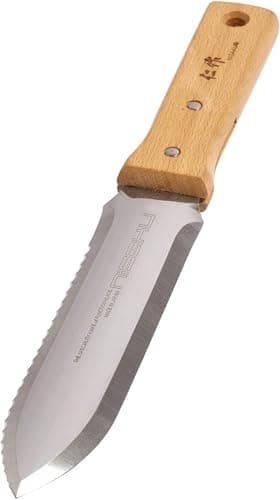
Multi-Tool: Nisaku Hori Hori Japanese Soil Knife ($22.05)
- Price: $25-35 on Amazon
- Amazon Link: Search Nisaku Hori Hori
Japanese soil knives handle multiple jobs: cutting roots, measuring planting depth, dividing perennials, and opening bag soil. The serrated edge tackles woody roots that defeat standard tools.
Real-world use: Experienced gardeners rely on the hori hori for transplanting seedlings (the depth markings are accurate), cutting through landscape fabric, and harvesting root vegetables — a spring prep staple that earns daily carry.
Limitation: The blade requires maintenance. Without regular cleaning and oiling, it rusts in damp conditions.
Digging Tools for Spring Preparation
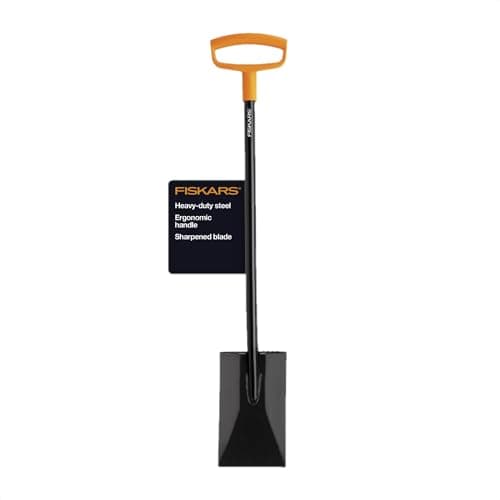
Best Spade: Fiskars Digging Spade ($34.98)
- Price: $40-50 on Amazon
- Amazon Link: Search Fiskars digging spade
A sharp spade cuts cleanly through soil and roots. Fiskars uses hardened steel that holds an edge longer than standard carbon steel. The D-grip reduces hand fatigue during extended digging.
When you need a spade: Edging garden beds, cutting sod, dividing perennials, transplanting shrubs. Hand tools can't generate enough force for these jobs.
Trade-off: All-steel tools are heavier than fiberglass-handled versions. Your arms will feel it after an hour of use.
Budget Option: True Temper Round Point Shovel
- Price: $20-30 on Amazon
- Amazon Link: Search True Temper round point shovel
Round point shovels penetrate hard soil better than square points. True Temper makes reliable tools without premium pricing. This handles general digging, moving soil, and planting.
Honest assessment: The steel quality isn't premium, but it's adequate for home use. Expect to sharpen it more frequently than expensive models.
Garden Rakes for Spring Cleanup
Best All-Purpose: AMES Steel Bow Rake
- Price: $30-40 on Amazon
- Amazon Link: Search AMES steel bow rake
Bow rakes excel at moving debris, leveling soil, and breaking up clods. The curved tines gather material efficiently while the straight back smooths surfaces.
Spring uses: Clearing winter debris, preparing seedbeds, spreading mulch, collecting pruning waste.
Durability note: Steel tines outlast stamped versions but cost more. If you rake occasionally, stamped works. For serious spring cleanup, steel pays off.
Watering Tools for Spring Planting
Best Hose Nozzle: Dramm One Touch Rain Wand
- Price: $25-35 on Amazon
- Amazon Link: Search Dramm rain wand
Rain wands deliver gentle, even water distribution that won't disturb newly planted seeds or seedlings. The 16" length keeps you from bending over every container.
Why rain wands matter: Standard nozzles create concentrated streams that wash away seeds and compact soil. Rain wands simulate natural rainfall.
Downside: They're slower than high-pressure nozzles. Watering large areas takes patience.
Tools to Skip (And Why)
Combination Tools
Multi-tools promise convenience but compromise performance. A tool that's supposedly a hoe, rake, and edger does none of those jobs well. Dedicated tools work better.
Ultra-Lightweight "Ergonomic" Tools
Marketing targets aging gardeners with promises of reduced effort. In practice, lightweight often means flimsy. Extra-wide grips feel awkward to normal-sized hands.
Exception: If arthritis limits your gardening, specialized ergonomic tools may help. But most gardeners benefit more from proper technique than modified tools.
Electric/Battery Pruning Shears
Battery pruners cost $100-300 and need charging. For most home gardeners, they're overkill. Manual pruners provide better control and never need charging.
When they make sense: You have mobility issues, prune commercially, or maintain large properties with extensive woody plants.
Spring Tool Maintenance
Pre-Season Sharpening
Sharp tools work easier and safer. Dull blades slip, requiring extra pressure that increases accidents. Most garden centers offer tool sharpening, or invest in a basic file set.
Cost comparison: Professional sharpening costs $5-10 per tool. A file set costs $20 and sharpens tools for years.
Cleaning and Storage
Spring's wet conditions promote rust. Clean tools after use, especially when working in clay soil. Store them dry.
**Rust preventioFelco F-2t oil coating protects steel. WD-40 works, but any light oil suffices.
Building Your Essential Kit Gradually
Start With These Three
- Quality pruning shears (Felco F-2 or similar)
- Hand weeder (Corona or equivalent forged tool)
- Basic spade for digging
Total investment: $120-150 for tools that last decades
Add As Needed
- Rake for cleanup and soil preparation
- Rain wand for gentle watering
- Soil knife for multipurpose tasks
Skip Until You Have Specific Needs
- Specialty tools for unique situations
- Premium versions of basic tools you already own
- Electric tools unless mobility requires them
Real Cost of Cheap Tools
Example: Last spring, many gardeners bought a $15 pruner set at a big box store. By midsummer, the blade had dulled beyond sharpening, the spring broke, and the handles cracked — a pattern expert reviews document repeatedly.
A Felco F-2 in typical use: Eight seasons, two blade replacements, one spring replacement. Still cuts cleanly.
Per-season cost: Cheap set: $15 for partial season. Felco F-2: $14 per season over eight seasons.
Quality tools cost less long-term while working better throughout their life.
Seasonal Tool Care Schedule
Early Spring: Sharpen cutting tools, oil moving parts, check handles for cracks Mid-Season: Clean tools weekly, especially after working wet soil Fall: Deep cleaning, rust removal, protective oil coating for winter storage
Buying Strategy That Works
Buy Quality Cutting Tools First
Your pruners work harder than any other tool. A good pair transforms pruning from struggle to satisfaction.
Add Tools Based on Actual Use
Don't buy tools for jobs you might do someday. Add equipment when you're doing the work regularly with inadequate tools.
Consider Used Professional Tools
Estate sales and tool auctions often feature professional-grade equipment at home-gardener prices. A used Felco in good condition beats a new cheap pruner.
Ready to gear up for spring? Start with quality pruning shears - they'll handle 80% of your spring garden tasks. Add other tools as your garden and skills develop.
The right tools make gardening enjoyable instead of exhausting. Your plants - and your back - will thank you.
Want more spring garden prep advice? Join our newsletter for seasonal tips, tool reviews, and garden planning guides delivered right to your inbox.