Can a Battery Chainsaw Cut Down a Tree in 2026?
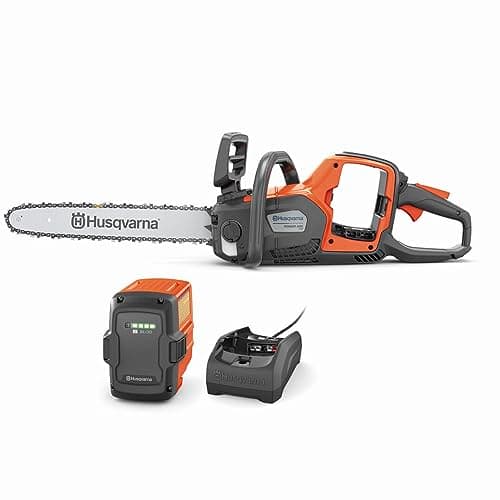
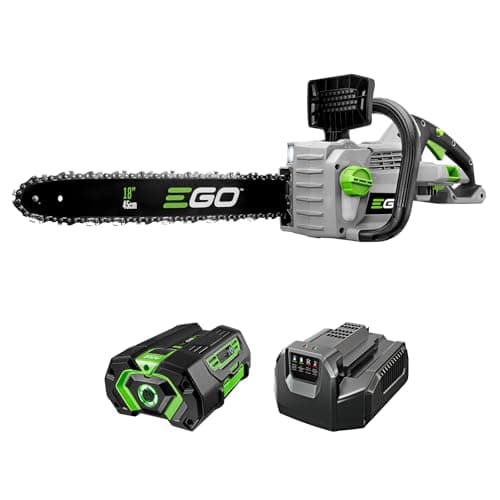
Yes — an 18-inch battery chainsaw handles trees up to about 14 inches in diameter, and a 16-inch model handles up to 12 inches. The Husqvarna Power Axe 350i ($475) and EGO CS1804 ($409) both match 40cc gas chainsaw performance in independent testing cited by Family Handyman. For trees above 14 inches, gas saws or professional arborists are the right call.
Tree Size by Bar Length
The general rule: a chainsaw can cut through a trunk roughly 2 inches smaller than twice the bar length (to allow for the wedge cut technique).
What About Hardwood vs Softwood?
Battery chainsaws handle softwoods (pine, spruce, cedar) with ease — fast cuts, minimal battery drain. Hardwoods (oak, maple, hickory) cut slower and drain the battery 40-60% faster. The Husqvarna Power Axe 350i handles hardwood cutting better than most battery competitors due to its brushless motor's sustained torque delivery.
For a single hardwood tree removal (under 14" diameter), expect to use most of one battery charge. For multiple trees, have a second battery on the charger.
When to Call an Arborist Instead
- Trees above 16" diameter — beyond consumer chainsaw capability
- Trees near power lines — utility company or certified arborist only
- Trees near structures — directional felling requires professional skill
- Dead trees with structural rot — unpredictable fall direction
- Trees requiring climbing — rope, harness, and climbing certification needed
A battery chainsaw is perfect for: removing a dead ornamental tree, limbing fallen branches after a storm, cutting back overgrown trees that shade garden beds, and processing firewood from already-felled logs.
How Many Cuts Per Battery Charge?
On a full charge with an 18-inch model:
- 4-6 inch limbs: 80-120 cuts
- 8-10 inch logs: 20-30 cuts
- 12-14 inch tree trunk: 3-5 complete felling cuts
For a typical storm cleanup session (mixed limbing and log cutting), one battery lasts 30-45 minutes of active cutting.
The Bottom Line
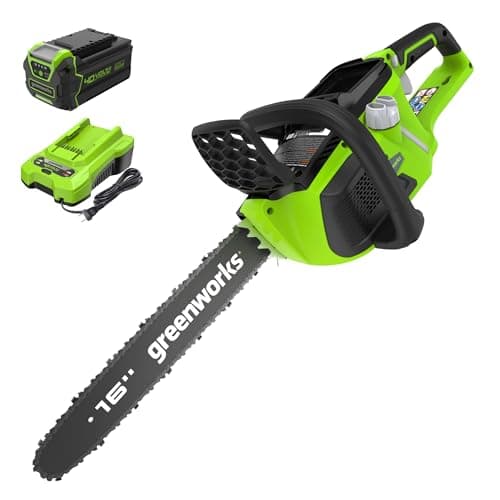
For homeowner tree work — removing small-to-medium trees, limbing, storm cleanup, and firewood — a battery chainsaw is fully capable. The Husqvarna Power Axe 350i is the best overall choice. The Greenworks 40V at $250 handles most jobs at half the price. For anything requiring a 20"+ bar, that's gas chainsaw or arborist territory.
→ See the full comparison in the Best Cordless Chainsaws 2026 buying guide.