Best Garden Pest Control & Plant Protection for Spring 2026
Spring gardens face a perfect storm of pest pressure. Overwintering insects emerge hungry, new pests migrate in, and tender young plants offer easy targets. Without protection, you can lose weeks of work in days.
The most successful gardens use layered defense: physical barriers, beneficial insects, organic sprays, and strategic timing. Chemical pesticides often create more problems than they solve, killing beneficial insects alongside pests and leading to resistance.
Here's how to build a protection system that keeps pests in check while supporting the beneficial insects your garden needs to thrive.
Understanding Pest Pressure Cycles
Early spring (March-April): Aphids, cabbage worms, and flea beetles emerge as temperatures rise. Young transplants are most vulnerable.
Late spring (May-June): Squash bugs, cucumber beetles, and Colorado potato beetles become active. Established plants can better withstand damage.
Throughout spring: Slugs, snails, and cutworms remain active in cool, moist conditions.
The critical window: The first 3-4 weeks after transplanting determine plant survival. Established plants recover from pest damage much better than young transplants.
Physical Barriers: First Line of Defense
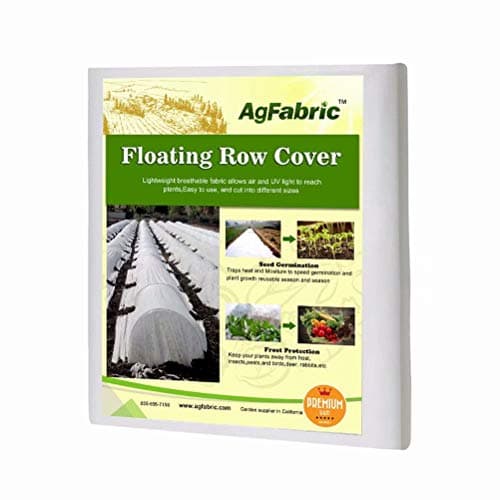
Best Row Cover: Agribon AG-19 Floating Row Cover
👉 Check Agribon AG-30 Floating Row Cover on Amazon — currently $23.99
Price: $25-35 for 10x20 ft on Amazon
This spun polyester fabric blocks 85% of insects while allowing air, water, and 85% of sunlight to pass through. It's the most reliable protection for vulnerable transplants.
Why AG-19 is preferred:
- Right weight balance - heavy enough to resist wind, light enough not to damage plants
- 85% light transmission maintains normal growth
- Protects against freeze down to 28°F
- Reusable for 3-5 seasons with proper care
How to use effectively:
- Install immediately after transplanting
- Bury edges 2-3 inches deep or use sandbags
- Remove when plants outgrow cover or need pollination
- Store clean and dry to prevent mold
Limitations: Must be removed for pollination of fruiting crops. Doesn't protect against soil-dwelling pests or diseases.
Best Mesh Protection: Garden Guard Mesh
Price: $20-30 for 10x20 ft on Amazon
Ultra-fine mesh (0.6mm) blocks even tiny insects like aphids and whiteflies. More durable than row cover but provides no frost protection.
Best for: Long-term protection on leafy greens, protection during hot weather when row cover would overheat plants.
Cutworm Protection: Cardboard Collars
DIY solution: Cut cardboard tubes (toilet paper rolls work) into 3-inch rings. Place around transplant stems, pushing 1 inch into soil.
Commercial option: Plant Protector Cups on Amazon - $15-25 for 50 pieces.
Beneficial Insects: Nature's Pest Control
Best Beneficial Release: Live Ladybugs
Price: $15-25 for 1500 ladybugs on Amazon
Ladybugs consume 50-60 aphids per day and are the most practical beneficial insect for home gardens. Release in early evening when temperatures are cool.
Release strategy:
- Lightly mist garden before release
- Release at dusk when ladybugs are less likely to fly away
- Expect 20-30% to establish in your garden
- Re-release every 3-4 weeks during peak aphid season
Reality check: Purchased ladybugs often fly away within 24-48 hours. They're most effective when aphids are already present to keep them fed.
Best Beneficial Habitat: Native Flowering Plants
Price: $30-50 for mixed seed packet on Amazon
Permanent beneficial insect habitat is more effective than releases. Plants like sweet alyssum, dill, and yarrow support beneficial insects throughout the season.
Essential beneficial plants:
- Sweet alyssum (feeds tiny parasitic wasps)
- Dill and fennel (attracts predatory beetles)
- Yarrow (supports diverse beneficial species)
- Calendula (attracts hoverflies)
Organic Pest Control Sprays
Best All-Purpose Spray: Neem Oil
Price: $12-18 per bottle on Amazon
Neem oil disrupts insect feeding and reproduction while being relatively safe for beneficial insects when applied properly.
Active ingredients: Azadirachtin (the pest control compound) plus oils that smother soft-bodied insects.
Application timing: Apply in early evening to avoid harming pollinating bees. Reapply every 7-10 days or after rain.
What neem oil controls:
- Aphids, whiteflies, and soft-bodied insects
- Some caterpillars (but not all)
- Powdery mildew and other fungal diseases
- Scale insects and mealybugs
What it doesn't control: Hard-shelled beetles, fast-moving pests like flea beetles, beneficial insects if applied when they're not active.
Mixing ratio: 2-4 tablespoons per gallon of water, plus a few drops of dish soap as emulsifier.
Best Targeted Spray: Bt (Bacillus thuringiensis)
Price: $10-15 per container on Amazon
Bt is a naturally occurring bacteria that kills caterpillars (cabbage worms, tomato hornworms) while being completely harmless to other insects, animals, and humans.
Why Bt is ideal for caterpillar control:
- 95% effective against target pests
- Zero harm to beneficial insects
- No residue or waiting period
- Works slowly but reliably
Application notes: Must be ingested by caterpillars to work. Best applied when caterpillars are small (under 1/2 inch). Loses effectiveness in UV light, so apply in evening.
Best Broad-Spectrum Organic: Spinosad
Price: $15-25 per bottle on Amazon
Derived from soil bacteria, spinosad controls a wider range of pests than Bt but is more selective than synthetic insecticides.
Effective against: Thrips, caterpillars, leaf miners, spider mites, aphids Selective impact: Minimal effect on predatory insects when dry, but toxic to bees when wet
Application strategy: Apply in early evening after bee activity stops. Allow to dry overnight before morning pollinator activity.
Homemade Organic Solutions
Soap Spray for Soft-Bodied Insects
Recipe: 2 tablespoons pure castile soap + 1 gallon water Cost: Under $2 per gallon Effective against: Aphids, whiteflies, spider mites
Why it works: Fatty acids disrupt insect cell membranes and breathing. Completely safe for humans, pets, and beneficial insects when dry.
Application tips: Test on a few leaves first - some plants are sensitive to soap. Rinse with water if leaf burn occurs.
Diatomaceous Earth for Crawling Pests
Price: $15-25 for 10lb bag on Amazon
Food-grade DE kills soft-bodied crawling insects through desiccation. Apply dry around plants for slug, snail, and soft-bodied insect control.
Important: Only use food-grade DE. Pool-grade DE is chemically treated and harmful to plants and animals.
Limitations: Must stay dry to be effective. Reapply after rain or heavy dew. Can harm beneficial insects if overused.
Pest-Specific Solutions
Aphid Management
First choice: Strong water spray to knock aphids off plants Follow-up: Soap spray for remaining aphids Long-term: Plant attractors like sweet alyssum to encourage beneficial insects
Cabbage Worms
Physical: Row cover until plants are established Biological: Bt spray every 7-10 days Cultural: Hand-picking is surprisingly effective on small plantings
Flea Beetles
Physical: Row cover is the only reliable protection Alternative: Trap crops like radishes planted around vulnerable crops Timing: Problem diminishes as plants mature and weather warms
Cutworms
Physical: Cardboard or plastic collars around transplants Biological: Beneficial nematodes applied to soil Cultural: Clear plant debris where cutworms shelter
Slugs and Snails
Physical: Copper tape barriers around raised beds Biological: Iron phosphate bait (safer than metaldehyde) Cultural: Remove hiding spots, water early in day rather than evening
Integrated Pest Management Strategy
Level 1 - Prevention:
- Healthy soil creates stronger plants
- Proper spacing improves air circulation
- Crop rotation breaks pest cycles
- Companion planting confuses pest insects
Level 2 - Monitoring:
- Check plants 2-3 times per week
- Learn to identify beneficial vs. pest insects
- Take action early when pest numbers are low
- Track which problems occur when for next year's planning
Level 3 - Physical Controls:
- Row covers for vulnerable periods
- Hand-picking visible pests
- Water sprays for aphid management
- Barriers for crawling pests
Level 4 - Biological Controls:
- Encourage beneficial insects with habitat
- Release predatory insects when needed
- Use selective biological pesticides (Bt)
Level 5 - Organic Sprays:
- Least toxic options first (soap spray)
- More potent options sparingly (neem, spinosad)
- Targeted timing to protect beneficial insects
Common Mistakes That Backfire
Overusing broad-spectrum insecticides: Even organic ones can disrupt beneficial insect populations and create pest resurgences.
Applying sprays during pollinator activity: Morning and midday applications harm bees and other pollinators.
Expecting instant results: Most organic controls work more slowly than synthetic pesticides but provide longer-lasting control.
Treating symptoms instead of causes: Poor soil, overcrowding, and stressed plants invite pest problems that sprays alone can't solve.
Budget-Friendly Protection Plan
Under $50 total:
- Row cover for transplant protection ($25)
- Castile soap for homemade spray ($5)
- Beneficial insect flower seeds ($10)
- Food-grade DE for crawling pests ($8)
Under $100 total:
- Add neem oil ($15)
- Bt for caterpillar control ($12)
- Live ladybug releases ($20)
- Plant protector cups ($15)
Under $200 total:
- Add spinosad spray ($20)
- Professional-grade row cover ($35)
- Copper tape for slug barriers ($25)
- Beneficial nematodes ($30)
Timing Your Protection Strategy
2 weeks before transplanting: Apply beneficial nematodes to soil, set up row cover supports
At transplanting: Install cutworm collars, apply row covers immediately
3-4 weeks after transplanting: Begin monitoring for pest emergence, prepare organic sprays
Monthly throughout season: Assess and adjust protection based on pest pressure
End of season: Clean up plant debris, plan improvements for next year
The Reality of Organic Pest Control
Organic methods require more knowledge, timing, and patience than synthetic pesticides. But they create sustainable pest control that improves over time rather than escalating chemical arms races.
Expect 85-90% pest control with good organic practices. That's sufficient for excellent harvests while supporting beneficial insects and soil health.
The first year is hardest. As beneficial insect populations establish and you learn your garden's pest patterns, management becomes easier.
Some years are worse than others. Weather patterns, regional pest outbreaks, and seasonal variations mean flexibility is essential.
The goal isn't pest elimination - it's keeping pest damage below economically harmful levels while building a garden ecosystem that becomes more resistant to problems over time.
Complete your spring garden setup with my guides on seed starting equipment and soil preparation tools.