How Much Does a Robot Lawn Mower Cost Per Year in 2026?
About $50-80 per year in operating costs — electricity runs $15-25 annually, and replacement blades cost $30-60. Over five years, a robot mower costs roughly $1,100-1,750 total (purchase + operation), compared to $1,500+ for a gas mower or $7,500+ for a weekly lawn service.
The upfront price is the sticker shock. The long-term math is where robot mowers win.
5-Year Cost Comparison
Breaking Down Robot Mower Operating Costs
Electricity: Robot mowers use remarkably little power. A typical model draws 20-30 watts while charging — about the same as a laptop. Running 6-8 hours per week during growing season (April through October), annual electricity costs land between $15-25 depending on local rates. Consumer Reports confirms this is consistent across all major brands.
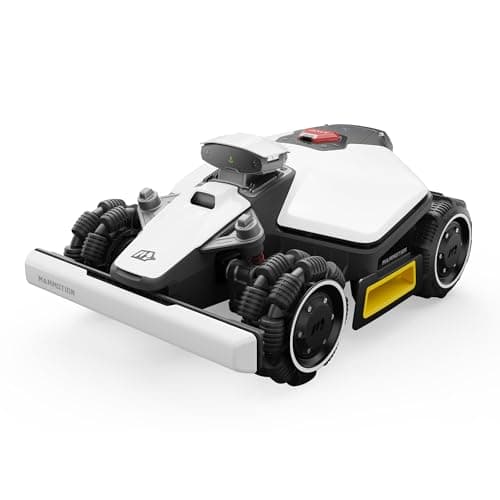
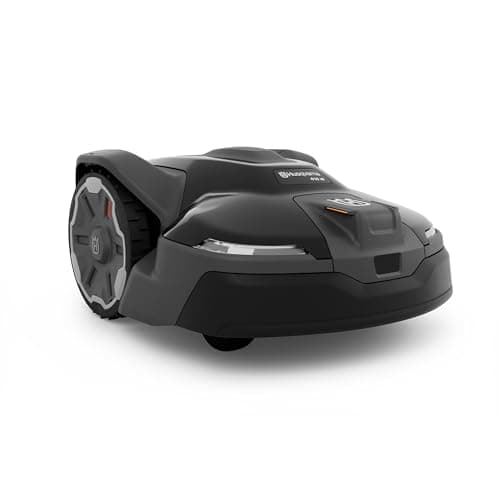
Blade replacement: Most robot mowers use small, replaceable blade sets that need swapping every 1-3 months during the mowing season. The Husqvarna Automower 415X uses inexpensive pivot blades ($15 for a 9-pack), while the Mammotion LUBA 2 AWD Robot Lawn Mower uses star-shaped blade discs at about $20 per set. Budget $30-60 per year depending on yard size and grass type. Thick fescue and bermuda dull blades faster than fine rye.
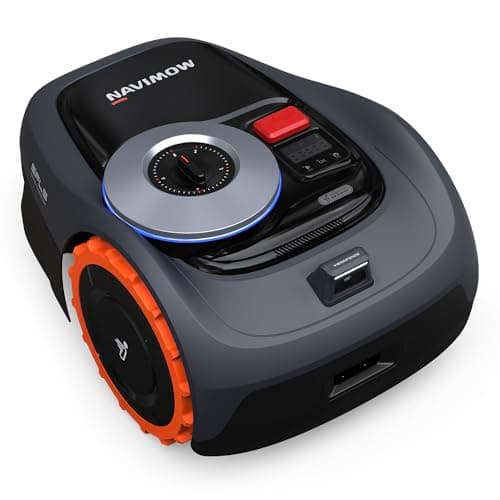
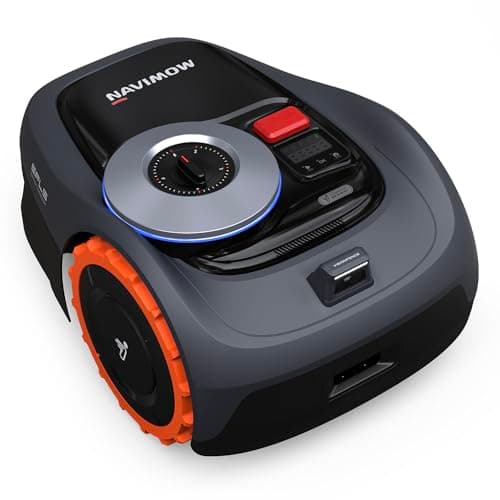
Maintenance: Unlike gas mowers, there's no oil to change, no air filter to replace, no spark plug to swap, and no carburetor to clean. The Segway Navimow i110 Robot Lawn Mower and similar models require just cleaning the chassis, checking wheel tread, and inspecting the charging contacts — 20 minutes with a brush and cloth. The Mammotion Luba Mini AWD Robot Mower even has self-cleaning functionality.
When Does a Robot Mower Pay for Itself?
Vs. a lawn service: If currently paying $150/month for mowing service (a common rate for suburban properties), a Segway Navimow i110 at $929 pays for itself in about 6 months. The Mammotion and Husqvarna models take 8-10 months.
Vs. a gas mower: The payback takes longer — roughly 5-7 years — but factors in the time savings. At 2-3 hours per week for manual mowing over a 30-week season, that's 60-90 hours per year. Value that time at even $15/hour and the robot mower pays for itself in under 2 years.
The Time Value Most People Overlook
The real ROI isn't financial — it's the 60-90 hours per year reclaimed for actual gardening, family time, or anything else. For garden enthusiasts, those hours translate directly into more productive beds, better-maintained borders, and projects that have been sitting on the to-do list.
Which Robot Mower Offers the Best Long-Term Value?
The Segway Navimow i110 at $929 has the lowest 5-year total cost for yards under a quarter acre. For larger or hilly properties requiring the Mammotion LUBA 2 AWD ($1,249) or Husqvarna Automower 415X ($1,550), the higher upfront cost still beats a lawn service within the first year.
→ See full product recommendations in the Best Robot Lawn Mowers 2026 buying guide.