Will a Robot Mower Work on a Hilly Yard in 2026?
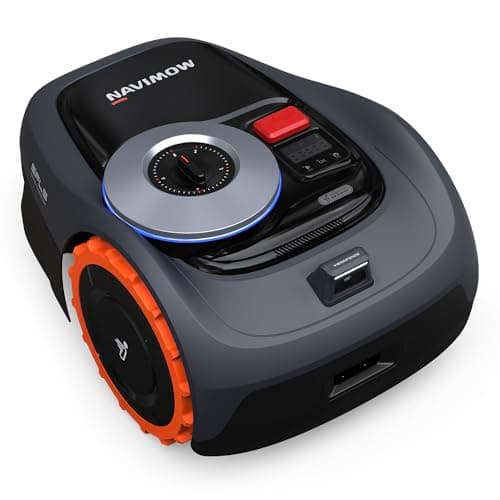
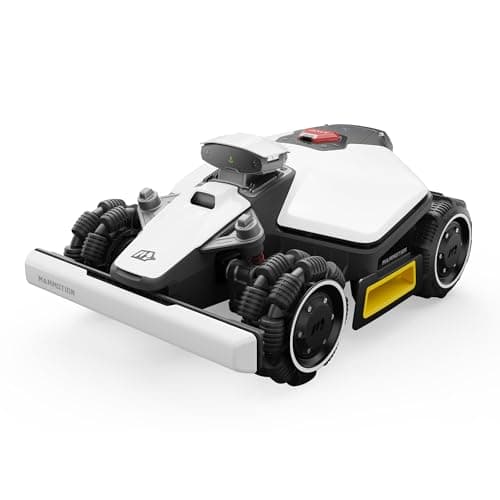
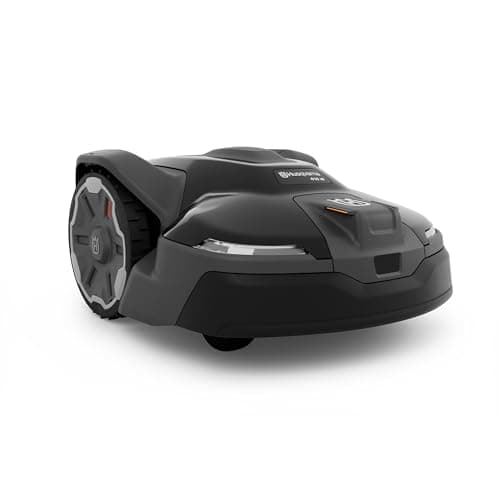
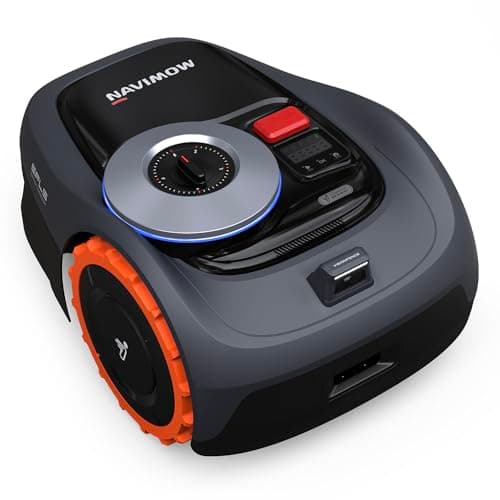
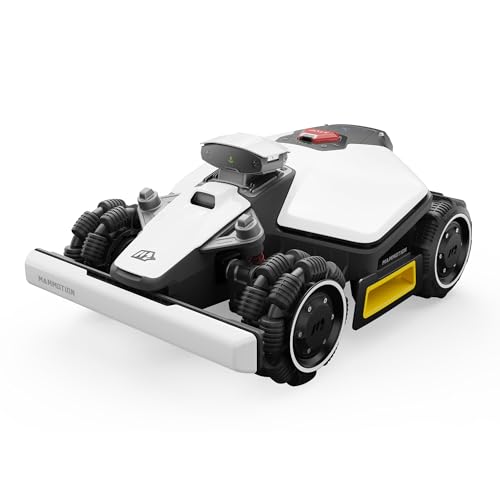
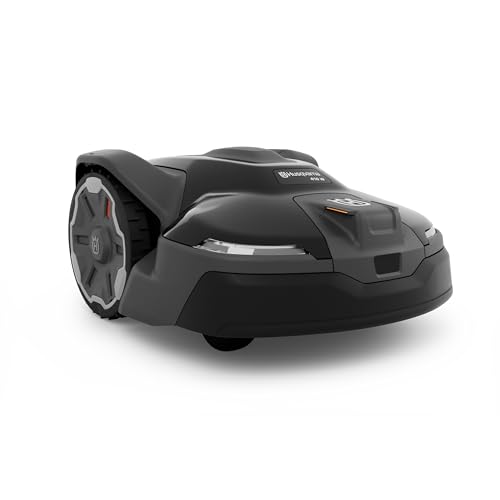
Yes — but the drive system determines how much slope the mower can handle. Front-wheel drive robot mowers like the Segway Navimow work on gentle grades up to about 24° (44% slope). For steeper hills, all-wheel drive models are necessary — the Mammotion LUBA 2 AWD ($1,249) handles slopes up to 38° (78%), and the Husqvarna Automower 415X ($1,550) manages up to 40° (84%) with aggressive tires.
Most suburban yards have slopes between 5° and 15° — well within the range of every robot mower on the market. The question only becomes critical for yards with pronounced grades near retaining walls, terraced landscaping, or properties built on hillsides.
Slope Limits by Robot Mower Model
How to Measure Your Yard's Slope
The easiest method: use a smartphone level app. Place the phone flat on the ground at the steepest section of the lawn and read the angle. Anything under 15° is mild. Between 15-25° is moderate. Above 25° is steep and requires AWD.
A quick visual guide:
- 5-10° (9-18% grade): Barely noticeable when walking — any robot mower handles this
- 10-20° (18-36% grade): Noticeable lean when standing — front-wheel drive works but slower
- 20-30° (36-58% grade): Difficult to push a wheelbarrow — AWD recommended
- 30-40° (58-84% grade): Steep enough to feel unstable standing — AWD required, limited options
Why AWD Matters on Hills
Front-wheel drive robot mowers lose traction on wet grass above 20°. The front wheels spin, the mower slides, and it either gets stuck or triggers a safety shutoff. This happens most often during morning dew or after light rain — exactly when many robot mowers are scheduled to run.
The Mammotion LUBA 2 AWD solves this with power to all four wheels and aggressive treads designed for hillside traction. According to the r/automower community and Lawn Love's testing, it's the most capable hill climber in the consumer robot mower market.
The Husqvarna Automower 415X takes a different approach — rear-wheel drive with optional terrain kit tires that provide grip on steep, wet grades. Husqvarna's 25+ years of Scandinavian hill testing gives them deep experience with challenging terrain.
Tips for Robot Mowing on Slopes
- Schedule mowing during dry conditions — avoid dawn runs when dew makes grass slippery
- Keep grass slightly taller on slopes — longer grass provides more blade grip and reduces erosion
- Clear debris regularly — sticks and debris on slopes cause navigation errors
- Check tire condition annually — worn treads lose hillside grip faster than on flat lawns
The Bottom Line
For flat to moderately hilly yards (under 20°), the Segway Navimow i110 at $929 handles everything fine. For yards with steeper sections, the Mammotion LUBA 2 AWD at $1,249 is the most capable option without going commercial-grade.
→ See the full comparison in the Best Robot Lawn Mowers 2026 buying guide.