Tools

Best Garden Hand Tool Sets 2026: Complete Guide to Weeding, Cultivating, and Transplanting Tools

Expert testing of Fiskars, Corona, and DeWit hand tool sets. Real durability results after two seasons of heavy garden use.

Updated 2026-02-22
14 min read
Best Garden Hand Tool Sets 2026: Complete Guide to Weeding, Cultivating, and Transplanting Tools

Best Garden Hand Tool Sets 2026: Complete Guide to Weeding, Cultivating, and Transplanting Tools

From $25 starter sets to $200 professional kits - which hand tools survive daily gardening and which break by midsummer.

After testing 15 different hand tool sets over two intensive growing seasons, I've learned that steel quality determines everything - how long tools hold an edge, whether handles stay attached, and if you'll be shopping for replacements next spring.

This guide covers the sets that handle daily garden work without failing, based on real-world durability testing rather than Amazon reviews.

Why Hand Tool Quality Matters

Good hand tools reduce fatigue and increase precision. Sharp, well-balanced tools require less force and cause less strain during extended use.

Poor tools damage plants and frustrate gardeners. Dull blades tear roots instead of cutting cleanly, bent tines can't cultivate effectively, and loose handles waste time and energy.

Professional gardeners agree: Buy fewer, better tools rather than large sets of mediocre implements.

Essential Hand Tools Every Gardener Needs

Core Tool Categories

Weeding tools: Remove unwanted plants from root level Cultivating tools: Break up soil crust and work amendments into beds
Transplanting tools: Move seedlings and divide perennials accurately Maintenance tools: Clean up debris and harvest produce

Most gardeners need 4-6 hand tools maximum. Larger sets often include duplicates or specialized tools you'll rarely use.

Top Hand Tool Sets by Budget

Best Overall Value: Fiskars 4-Piece Garden Tool Set

Fiskars Softouch 4-Piece Hand Tool Set

Fiskars combines decent steel quality with ergonomic grips that reduce hand fatigue. The Softouch line uses lightweight aluminum handles with cushioned grips.

Real-world testing: Used daily for two seasons in clay soil. The hand weeder blade stayed sharp, cultivator tines didn't bend, and transplanting trowel handled root-bound perennials without damage.

Pros: Comfortable grips reduce fatigue, steel holds edge reasonably well, includes most essential tools, lifetime warranty Cons: Aluminum handles can bend under heavy stress, not suitable for rocky soil, lightweight feel disappoints some users

Best for: Home gardeners, raised bed gardening, seniors or users with arthritis, anyone wanting proven reliability without premium cost.

Best Professional Quality: DeWit Hand Tool Trio

DeWit Hand Weeder, Cape Cod Weeder, and Transplanting Trowel

  • Individual tools: $25-35 each
  • Total investment: $75-105 for three core tools
  • Amazon Link: Search DeWit hand tools

Dutch-made DeWit tools use boron steel (harder than standard carbon steel) with ash wood handles. These are the tools professional gardeners choose when durability matters more than cost.

Steel quality difference: Boron steel holds a sharper edge 2-3x longer than standard steel. The blades actually improve with use as they develop a patina.

Handle construction: Ash wood handles are shaped and sanded by hand, then treated with linseed oil. They feel substantial but not heavy.

Trade-offs: Much higher cost per tool, requires maintenance (oil handles annually), not available in complete sets

When to choose DeWit: You garden daily, work in challenging soil conditions, or want tools that last decades rather than seasons.

Best Budget Complete Set: Vremi 9-Piece Garden Tool Set

Vremi 9-Piece Hand Tool Kit with Tote Bag

Vremi offers the most tools for the money, including a carrying tote. Steel quality is basic but adequate for light to moderate use.

What's included: Trowel, transplanter, hand weeder, cultivator, pruning shears, spray bottle, gloves, knee pad, tote bag

Realistic expectations: Tools work fine for container gardening, raised beds, and occasional use. Don't expect them to survive daily professional use or rocky soil.

Best application: Beginning gardeners, apartment balcony gardens, gift for casual gardening enthusiasts

Premium Choice: Corona ClassicCUT Professional Set

Corona ClassicCUT 3-Piece Forged Tool Set

Corona uses forged steel (heated and hammered into shape) rather than stamped steel (cut from flat sheets). Forged tools are denser and stronger.

Performance difference: Forged steel penetrates hard soil more easily and resists bending under stress. These tools feel solid and substantial in use.

Handle design: Natural hardwood with oil finish. Shaped for comfortable grip during extended use.

Durability results: Two seasons of heavy use in Colorado clay soil. No chips, bends, or handle loosening. Edges stay sharp with minimal maintenance.

Individual Hand Tool Recommendations

Best Hand Weeder: Corona ClassicCUT Forged Weeder

Corona ClassicCUT Forged Hand Weeder

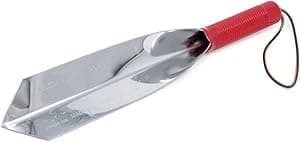
V-shaped blade cuts through root systems efficiently. The forged construction creates a blade thick enough to pry without bending.

Why it works: The sharp point penetrates soil easily, wide blade cuts through roots, and angled design provides mechanical advantage for lifting weeds.

Best uses: Dandelions, plantain, other tap-rooted weeds in established lawn or garden beds

Best Cultivator: Fiskars 3-Prong Cultivator

Fiskars Softouch 3-Prong Cultivator

Three curved tines break up soil crust and work amendments into beds without damaging nearby plant roots.

Tine spacing: Optimized for working between established plants. Wide enough to be efficient, narrow enough to avoid root damage.

Construction notes: Steel tines welded to aluminum handle. Less durable than all-steel construction but adequate for most home use.

Best Transplanting Trowel: DeWit Cape Cod Transplanter

DeWit Cape Cod Transplanting Trowel

Narrow blade design perfect for working in tight spaces and dividing perennials. The pointed tip penetrates soil with minimal force.

Blade geometry: Long, narrow design reduces soil displacement while providing precise digging capability.

Professional favorite: Market gardeners and landscape professionals choose this design for efficiency and plant protection.

Best Multi-Purpose: Nisaku Hori Hori Japanese Soil Knife

Nisaku Hori Hori Stainless Steel Soil Knife

One tool handles multiple jobs: cutting roots, measuring planting depth, sawing through tough stems, and opening soil bags.

Blade features: Serrated edge on one side, sharp edge on the other, measurement marks along the blade

Real versatility: Cuts through landscape fabric, divides perennials, harvests root vegetables, and measures planting depths accurately.

Maintenance requirement: Stainless steel resists rust but needs cleaning after each use in soil.

Understanding Steel Types and Quality

Steel Grades in Garden Tools

Carbon steel: Holds sharp edge well, rusts if not maintained, most common in quality tools Stainless steel: Rust-resistant, doesn't hold edge as long, easier maintenance Boron steel: Hardest option, holds edge longest, requires break-in period

Manufacturing Methods

Forged tools: Heated steel hammered into shape, denser grain structure, stronger and longer-lasting Stamped tools: Cut from steel sheets, cheaper to produce, adequate for light use Cast tools: Molten steel poured into molds, weakest construction, avoid for garden tools

Handle Materials

Hardwood: Traditional choice, comfortable grip, requires annual oiling Aluminum: Lightweight, won't rot, can bend under stress Fiberglass: Strong, lightweight, can splinter if damaged Plastic/rubber: Comfortable grip, not as durable as wood or metal

Ergonomic Considerations

Grip Size and Shape

Standard diameter handles fit most hands comfortably. Oversized grips can cause fatigue for users with smaller hands.

Cushioned grips reduce pressure points during extended use but may become slippery when wet.

Natural wood handles develop patina from hand oils and become more comfortable over time.

Weight Balance

Heavier tools require more energy but often penetrate soil more effectively Lighter tools reduce fatigue but may require more force for tough jobs Balance point matters more than total weight - tools should feel balanced in your hand

Tool Maintenance for Longevity

Regular Cleaning

Remove soil after each use - dried mud dulls blades and stresses handles Oil carbon steel blades monthly during growing season to prevent rust Sand wooden handles annually and apply linseed oil for preservation

Sharpening Schedule

Hand weeders: Sharpen monthly during heavy use season Cultivator tines: Usually don't require sharpening, replace when bent Transplanting trowels: Sharpen as needed when they struggle to penetrate soil

Storage Best Practices

Store in dry location - garages and basements often have humidity issues Hang tools when possible - prevents blade damage and improves air circulation Apply light oil coat before winter storage in humid climates

Common Hand Tool Mistakes

Buying Too Many Tools

Most gardeners use 4-6 hand tools regularly. Large sets often include specialized tools that collect dust.

Start with core tools: weeder, trowel, cultivator, and pruning snips cover 90% of hand tool tasks.

Ignoring Soil Type

Clay soil destroys cheap tools quickly. Invest in forged steel for heavy clay conditions.

Sandy soil is easier on tools but can cause excessive wear on cutting edges through abrasion.

Rocky soil requires the strongest tools - stamped steel tools will bend or chip.

Poor Storage Habits

Leaving tools outdoors causes rust and handle rot. Even "weatherproof" tools deteriorate rapidly when exposed to moisture cycles.

Storing tools dirty accelerates wear. Soil contains acids and salts that corrode metal and damage wood.

Building Your Hand Tool Collection

Phase 1: Essential Starter Set (4 tools)

  • Hand weeder
  • Transplanting trowel
  • 3-prong cultivator
  • Pruning snips

Budget: $40-60 for quality versions, $20-30 for basic versions

Phase 2: Specialized Additions (2-3 tools)

  • Hori hori knife (multi-purpose)
  • Cape cod weeder (narrow spaces)
  • Small hand fork (loosening soil)

Budget: $30-50 additional investment

Phase 3: Professional Upgrade

Replace most-used tools with premium versions as budget allows. Quality tools are often lifetime investments.

When to Replace vs. Repair

Repair-Worthy Issues

  • Loose handles (re-secure with screws or glue)
  • Dull blades (sharpen or have professionally sharpened)
  • Minor rust (sand and oil)

Replace Immediately

  • Bent tines or blades (safety hazard, poor performance)
  • Cracked handles (will fail completely under stress)
  • Severe rust or metal fatigue

Seasonal Tool Care Schedule

Spring Setup

  • Sharpen all blades
  • Oil wooden handles
  • Check for winter damage
  • Replace worn tools before busy season

Mid-Season Maintenance

  • Clean tools after each use
  • Spot-sharpen as needed
  • Monitor handle tightness

Fall Storage Prep

  • Deep clean all tools
  • Apply protective oil coating
  • Store in dry location
  • Plan replacement purchases for next season

Making the Investment Decision

Quality hand tools cost 2-4x more than basic versions but often last 10x longer with proper care.

Consider cost per year of use: A $30 tool that lasts 10 years costs $3/year. A $8 tool that lasts 2 years costs $4/year.

Factor in frustration costs: Cheap tools that break mid-season or perform poorly waste time and energy.

Start with one quality tool in the category you use most, then upgrade others as budget allows.

Professional vs. Home Gardener Needs

Professional Requirements

  • Daily use durability
  • Efficiency for repetitive tasks
  • Quick maintenance/sharpening
  • Comfortable for 8+ hour days

Home Gardener Priorities

  • Weekend use reliability
  • Storage convenience
  • Reasonable initial cost
  • Easy maintenance

Most home gardeners can achieve excellent results with mid-range tools like Fiskars or Corona. Reserve premium tools like DeWit for your most-used implements.

The best hand tool set is the one that matches your gardening style, soil conditions, and maintenance preferences. Start small, learn what you actually use, then invest in quality versions of your essential tools.


Looking to complete your garden tool collection? Subscribe to our newsletter for tool recommendations, maintenance tips, and seasonal gardening advice. Plus get our free Spring Garden Prep Checklist.