Seed Starting11 min read
Best Grow Lights for Seed Starting 2026: More Seedlings, Fewer Failures
The right grow light turns weak, leggy seedlings into stocky transplants. Top picks from $12 to $90 for every setup.
Read Guide
May — Transplant seedlings outdoors — harden off first
In-depth guides to help you make the best purchasing decisions.
The right grow light turns weak, leggy seedlings into stocky transplants. Top picks from $12 to $90 for every setup.

Plant a pollinator garden this spring. Top-rated seed mixes, bee hotels, and starter kits that actually work — from $10 to $45.
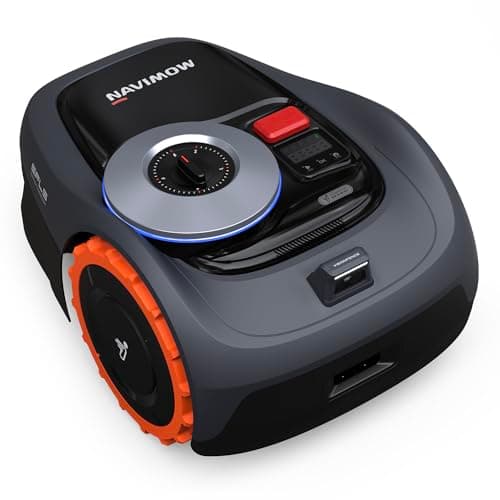
Modern robot mowers have lift sensors, tilt detection, and collision avoidance that stop the blades in milliseconds. But they're not babysitters — here's how to use them safely.
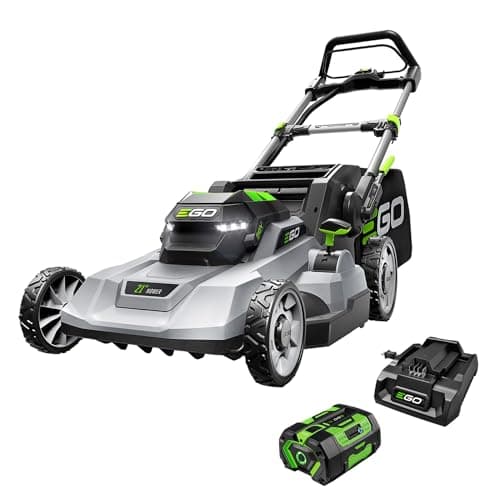
Over 5 years, a battery mower costs about $550 to own and operate. A comparable gas mower costs about $1,475. Here's exactly where the money goes.
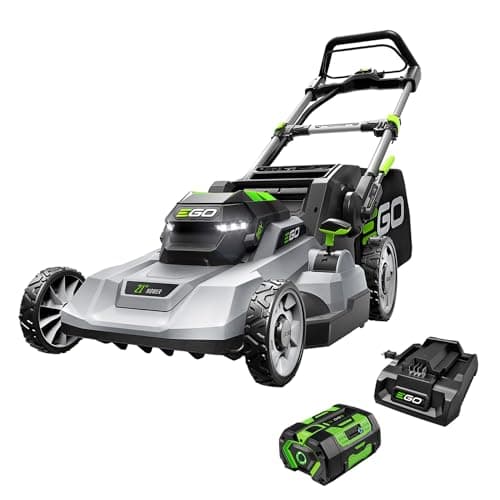
A well-mowed lawn is the canvas your garden grows on. Battery mowers match gas in 2026 — here's which one to buy based on yard size and budget.
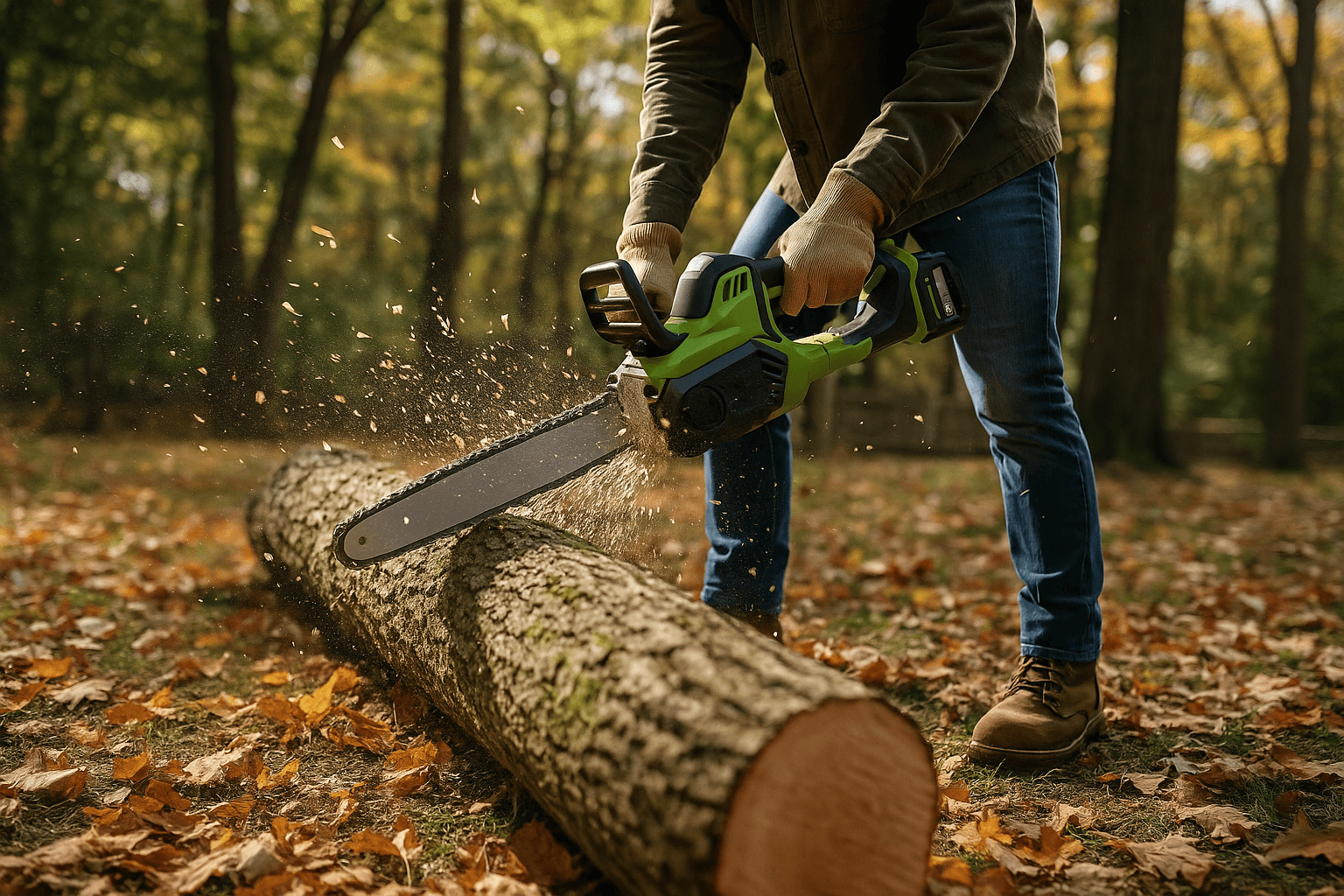
An 18-inch battery chainsaw can fell trees up to 14 inches in diameter — covering most backyard trees. For anything larger, call an arborist.
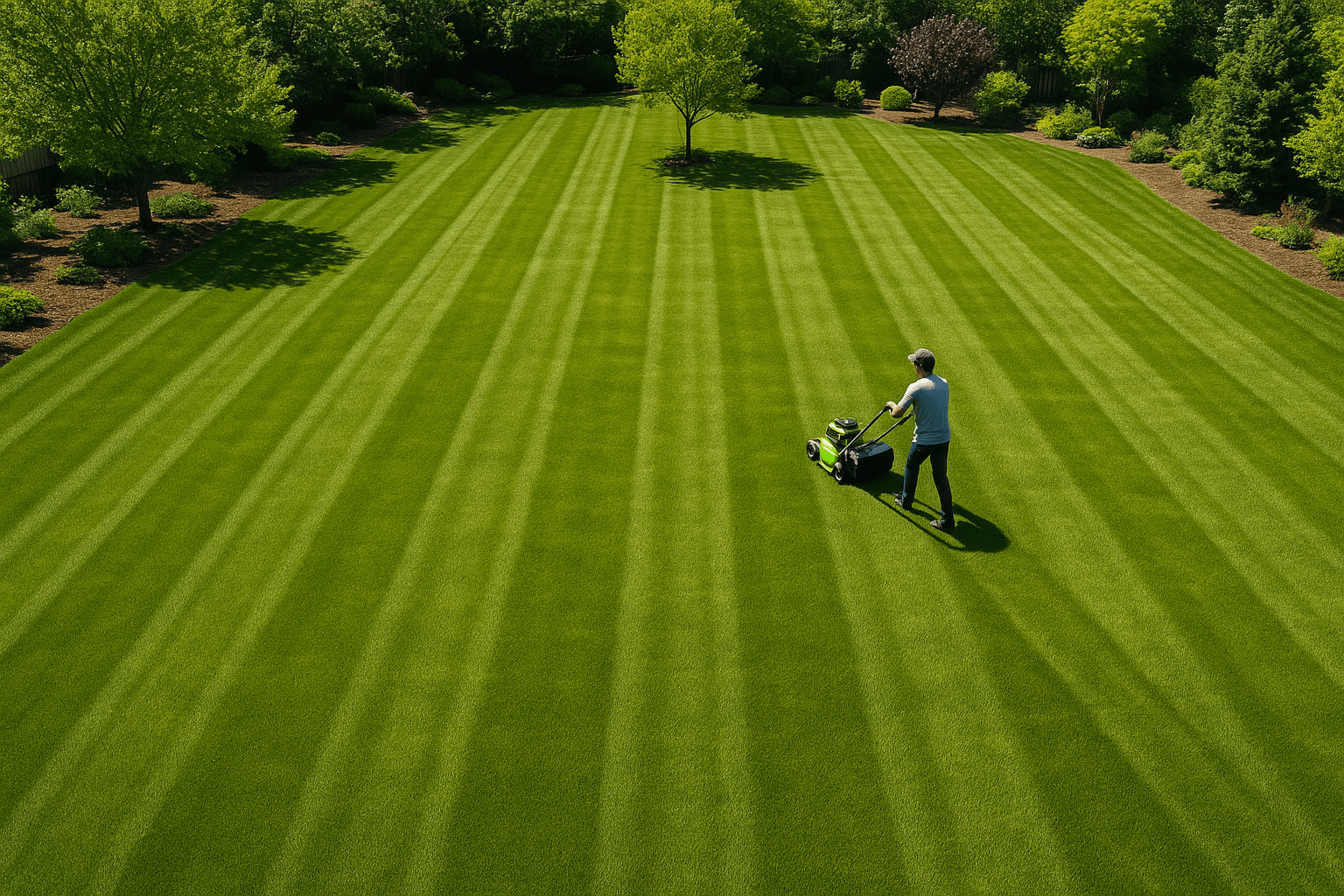
A half-acre yard needs about 45-60 minutes of mowing time. Most 56V mowers get 35-45 minutes on one charge — so you'll either need a second battery or an 80V model.
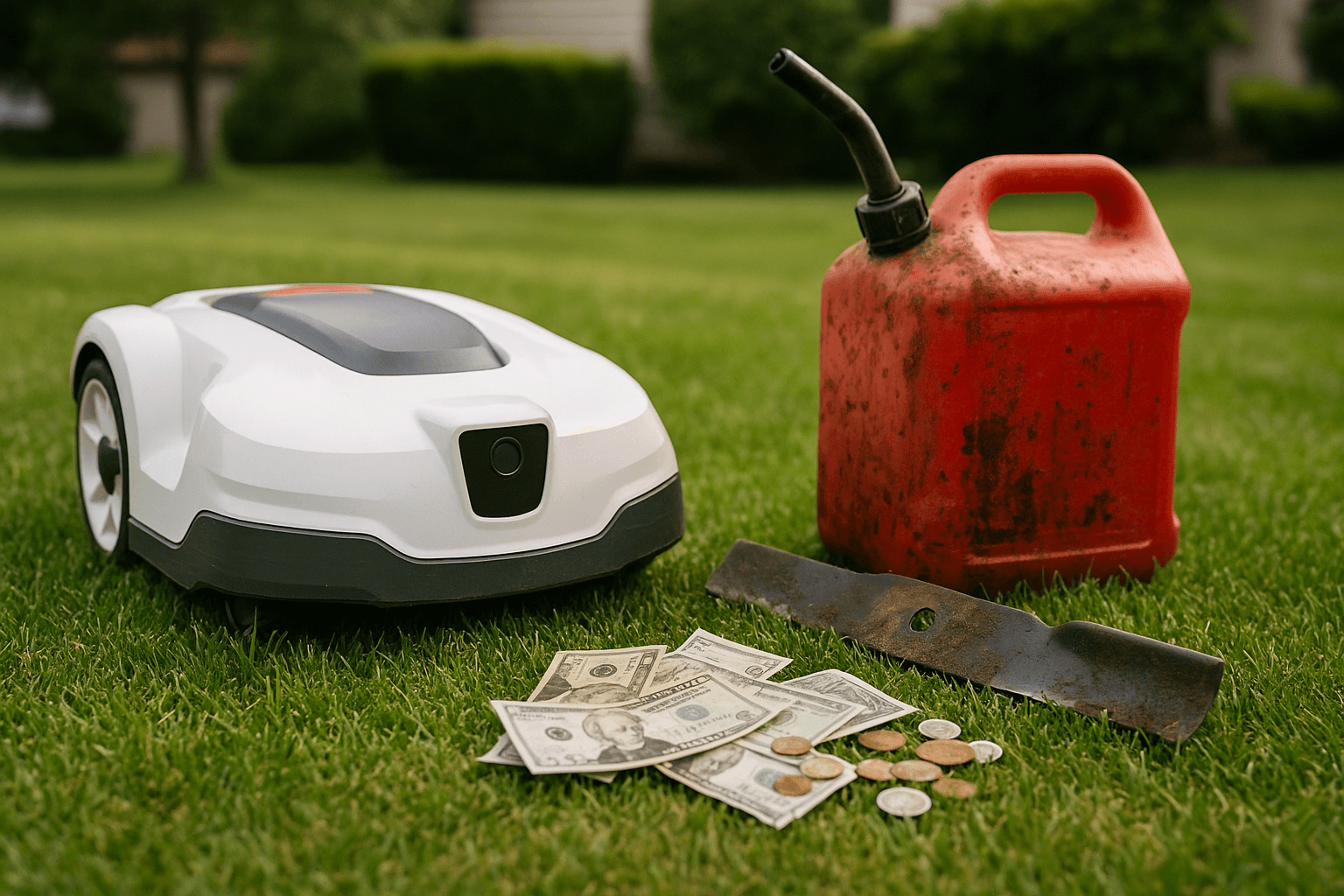
A robot mower costs about $50-80 per year to operate after the initial purchase. That's less than two months of a lawn service, and about half the annual cost of a gas mower.

Short answer: yes, but the model matters. Front-wheel drive robot mowers top out around 20-24° slopes. AWD models like the Mammotion LUBA 2 handle up to 38°.
Sturdy plant supports for tomatoes, peppers, vining crops, and flowers. No more broken plants.
Automatic watering systems that save time, conserve water, and keep plants healthy all season.
Organic and synthetic options to improve soil health, structure, and plant nutrition this spring.
Professional-grade pruning tools for every job. Sharp, durable, and comfortable to use.
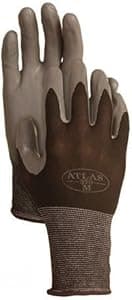
Keep your hands safe and clean. Top-rated gloves for pruning, planting, and maintenance.
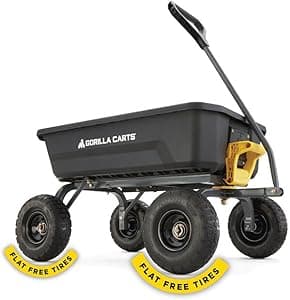
From compact carts to heavy-duty wheelbarrows. Move soil, mulch, and tools effortlessly.
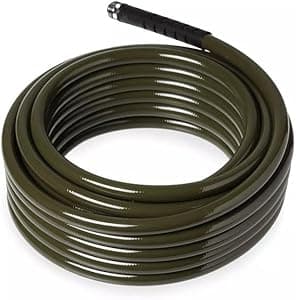
Top-rated hoses that won't kink, leak, or burst. Traditional and expandable options.
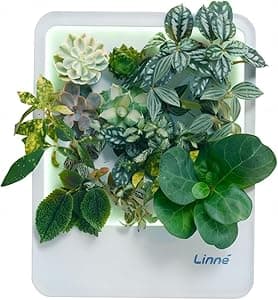
Indoor seed starting kits from basic trays to AeroGarden systems. Extend your season.
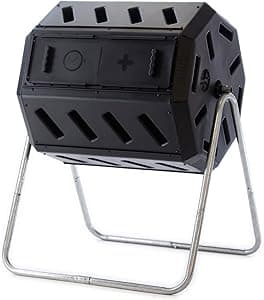
Compost bins and tumblers for every yard size. Make your own black gold.
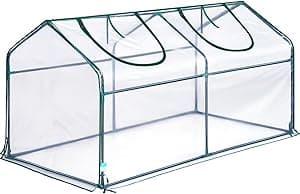
Extend your growing season with the right greenhouse. Top picks from $50 to $500+.
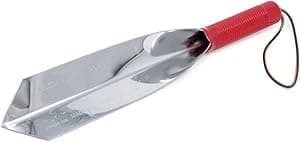
The 10 essential tools every beginner gardener needs. Quality picks under $200 total.
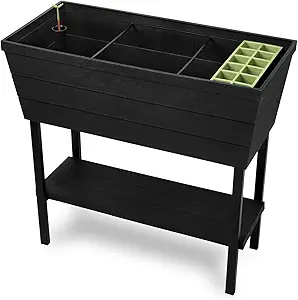
Raised beds for vegetables, flowers, and herbs. Top picks from budget to premium.